Why do linear guides rust? Reasons, preventive measures, and maintenance recommendations
As an important linear transmission component in automation equipment, the operating accuracy and service life of linear guides directly affect the overall performance of the machine. In practical applications, some users have found that the surface of the guide rail is corroded, oxidized, or even locally corroded, which not only affects the appearance of the equipment, but may also reduce operating accuracy, increase wear, and shorten product life.
So, why do linear guides rust? How can we effectively prevent it? This article summarizes based on practical application experience.
Why does the linear guideway easy to rust?
Linear guides are usually made of high carbon bearing steel or alloy steel, which has high hardness and wear resistance after quenching, grinding and other processes. However, steel itself does not have complete rust prevention ability, and oxidation reactions may still occur when affected by external environments.
The common reasons mainly include the following aspects.
1. High environmental humidity
Wet environment is the most common cause of rail rust.
When the air humidity is high, especially in coastal areas, high-temperature and high humidity workshops, or rainy season environments, moisture in the air is prone to adhere to the surface of the guide rail. If the rust proof oil film is damaged, the metal surface is prone to oxidation, forming rust spots.
2. Insufficient protection of rust proof oil
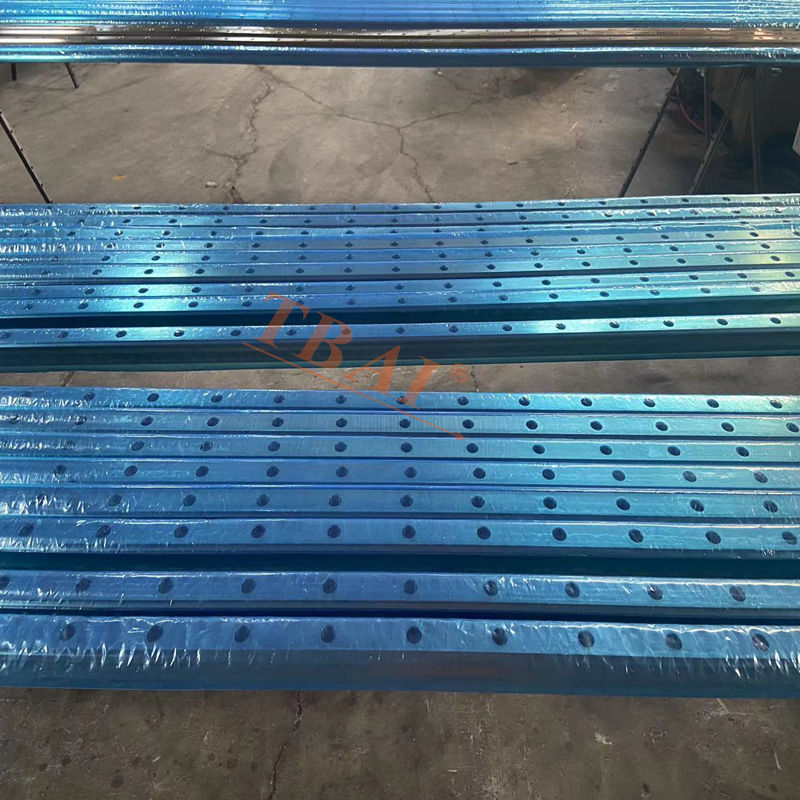
The guide rail is usually coated with anti rust oil at the factory for transportation and storage protection.
If rust proof oil is not replenished in a timely manner after long-term storage, or if the rust proof layer is completely removed with a cleaning agent before installation without re lubrication protection, it is also easy to cause the guide rail to rust.
3. The installation environment contains corrosive media
Some devices work for a long time with:
coolant
cutting fluid
salt fog
Acid alkali gas
Chemical volatile compounds
In the environment, these media will accelerate the corrosion of steel surfaces.
Therefore, special industries such as food equipment, chemical equipment, and marine equipment have higher requirements for the anti-corrosion performance of guide rails.
4. Inadequate daily maintenance
During the long-term operation of the guide rail, if a large amount of dust, metal debris or coolant residue accumulates on the surface and is not cleaned in time, it is also easy to damage the lubricating layer and accelerate the oxidation rate.
Especially in working conditions with high dust such as woodworking machinery, stone equipment, and laser cutting equipment, daily maintenance should be strengthened.
What are the impacts of rusted linear guide rails?
Although slight rusting may not immediately cause equipment failure, if ignored for a long time, it may lead to the following problems:
The resistance of slider operation increases
The surface wear of the guide rail intensifies
Repeated positioning accuracy decreases
Increased noise
Shortened service life
In severe cases, it can cause the slider to become stuck
Therefore, once rust spots are found on the guide rail, they should be dealt with promptly to avoid further spread.
How to prevent rusting of linear guides?
Good usage and maintenance habits are the key to extending the lifespan of guide rails.
Suggest taking the following measures:
Maintain lubrication
Regularly adding suitable lubricating grease or oil can reduce friction and form a protective film, reducing direct contact between air and moisture on metal surfaces.
Keep the equipment clean
Timely remove dust, iron filings, and coolant residue to prevent pollutants from adhering to the surface of the guide rail for a long time.
Improve storage environment
Uninstalled guide rails should be stored in a dry, ventilated environment, avoiding direct sunlight and humid conditions. For long-term inventory products, regular inspections and replenishment of rust proof oil can be carried out.
Add protective devices
For equipment with high levels of dust or liquid splashing, protective covers, retractable covers, or scraping devices can be installed to reduce the entry of pollutants into the guide rail operating area.
Special surface treatment
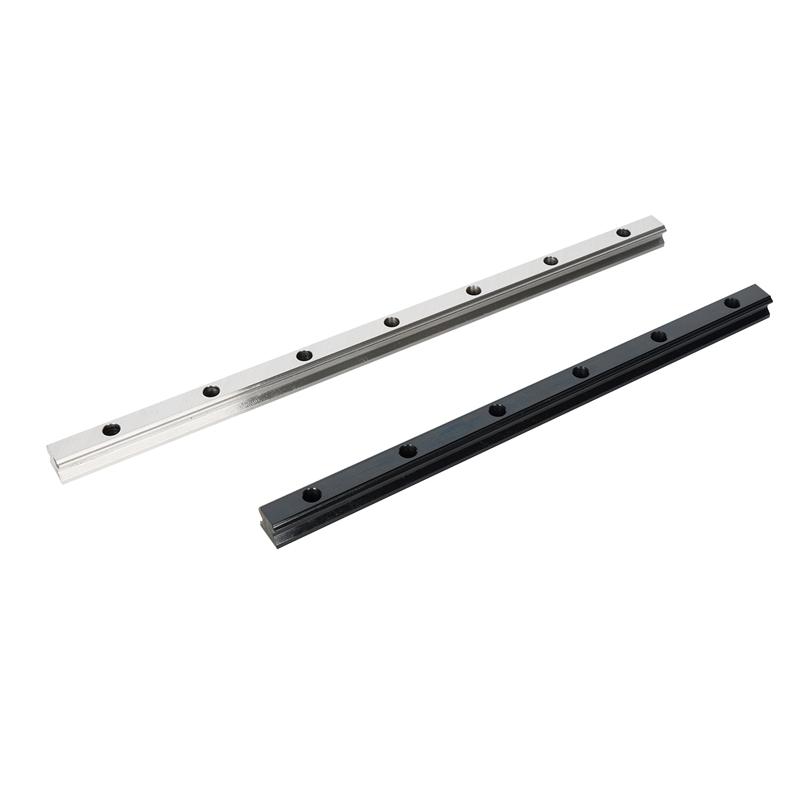
To prevent rust, chrome plating is now commonly used for guide rails, but this treatment can reduce accuracy. There is also phosphating and blackening treatment, which is an effective way to prevent rusting
What should I do if the guide rail has rusted?
If there is only slight floating rust, special rust removal oil or rust proof cleaner can be used for treatment, and then re lubricated.
If rust has caused significant corrosion, pitting, or affected the operation of the slider on the raceway, the fit between the guide rail and slider should be checked in a timely manner. If necessary, it is recommended to replace relevant components to ensure the accuracy and safety of equipment operation.
Do not use tools such as grinding wheels or coarse sandpaper to directly polish the raceway, in order to avoid damaging the precision machined surface of the guide rail and affecting its subsequent performance.
TBAI focuses on product quality and long-term stable operation
As a brand specializing in the manufacturing of linear motion products, TBAI always values the durability and reliability of its products.
From raw material selection, heat treatment process to precision grinding and quality inspection, every process strictly follows production standards to ensure that the guide rail has good wear resistance and operational stability. At the same time, we recommend that customers develop a reasonable lubrication and maintenance plan based on actual working conditions to ensure that the guide rail maintains a good working condition for a long time.
Conclusion
Rust on guide rails is not caused by a single factor, but rather the result of multiple factors such as usage environment, maintenance methods, lubrication management, etc.
Choosing reliable products with scientific installation and maintenance can not only effectively reduce the risk of corrosion, but also extend the service life of equipment and maintain long-term stable operating performance. For automation equipment manufacturers and end users, establishing standardized maintenance and management systems is an important guarantee for fully utilizing the performance of linear guides.