SFC | How to Reduce Purchasing Costs by Buying Directly from Factories
How to reduce procurement costs by directly purchasing from factories? More and more overseas buyers are changing their supply chain strategies
In recent years, Compared to relying on trading companies or multi-level agents in the past, more and more companies are choosing to directly cooperate with bearing production factories, hoping to further reduce procurement costs and enhance supply chain stability while ensuring product quality.
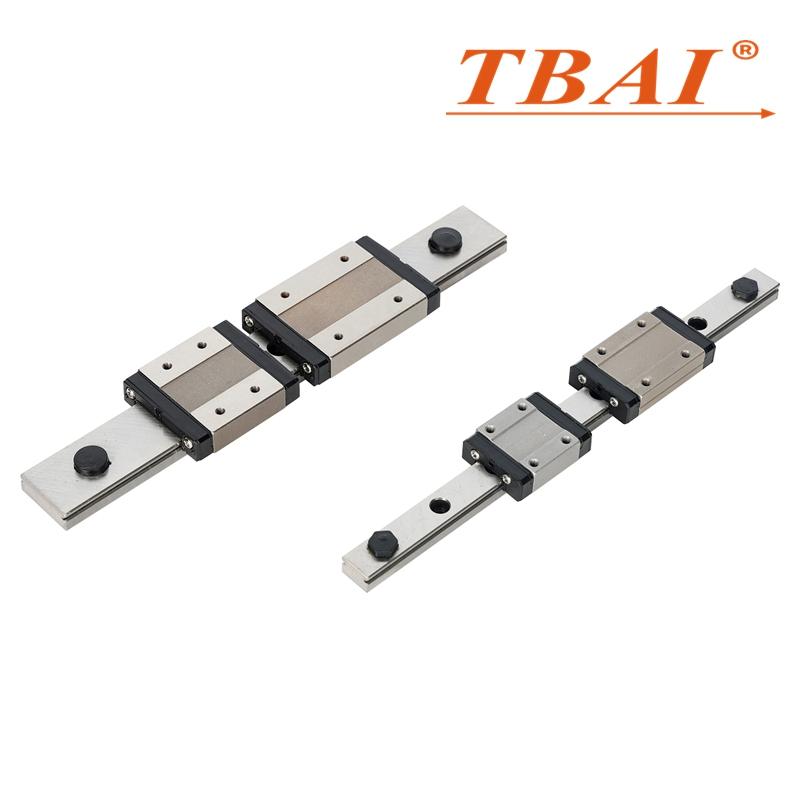
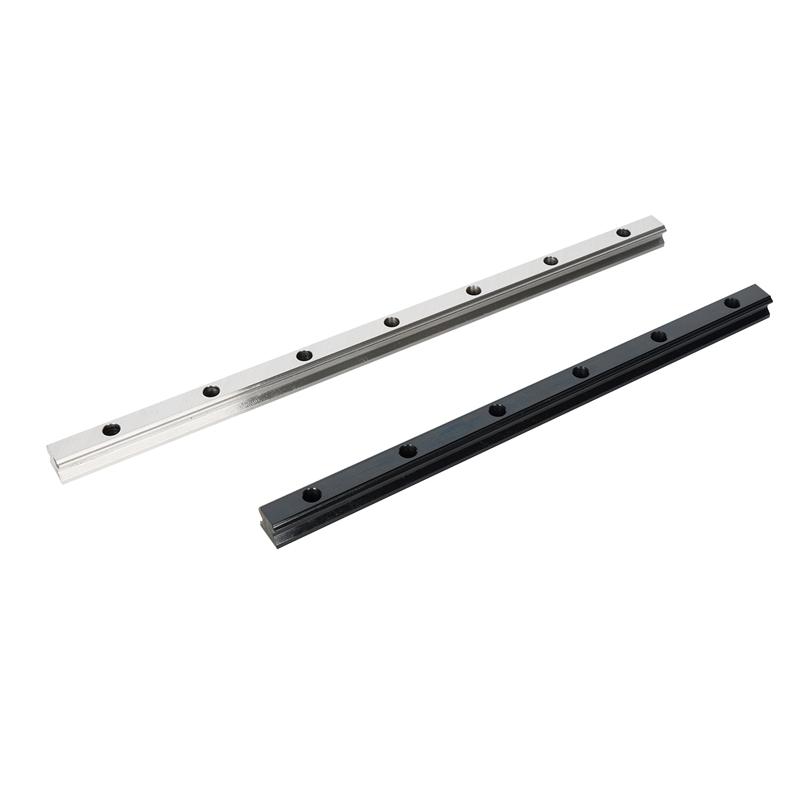
For industrial transmission products such as bearings, linear guides, ball screws, etc., direct procurement from factories has gradually become an important choice for many equipment manufacturers, brands, and distributors.
Purchasing cost, not just the unit price of the product
Many procurement personnel believe that reducing procurement costs means finding suppliers with lower prices. But in reality, the unit price of the product is only a part of the procurement cost.
In the entire procurement process, it also includes transportation costs, communication costs, delivery cycles, inventory pressure, after-sales service, and implicit costs brought about by product quality. If the supplier cannot guarantee stable delivery, even if the purchase price is low, it may increase the overall operating costs of the enterprise due to delayed delivery, rework, or quality issues.
Therefore, more and more clients are paying attention to supply chain efficiency, not just product pricing.
The biggest advantage of working directly with manufacturing factories is reducing intermediate links.
Production factories can directly participate in product development, production scheduling, and quality control, and procurement requirements can be quickly transmitted to the production department to avoid errors caused by information transmission. At the same time, customers can have a clearer understanding of the production process, quality standards, and delivery schedule of the product.
For long-term procurement projects, direct cooperation can also establish more stable supply relationships, and it is easier to obtain sustained supply guarantees during market demand fluctuations.
More stable product quality
For industrial products, stable quality is more important than one-time low prices.
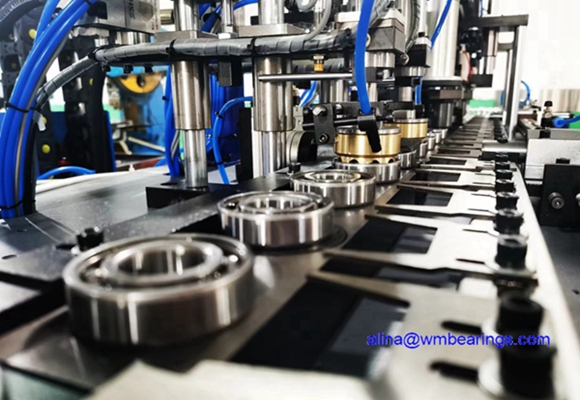
Professional manufacturing factories usually have complete production processes and quality management systems, with corresponding quality control standards for every link from raw material procurement, heat treatment, precision machining to finished product testing.
This whole process management can not only improve product consistency, but also effectively reduce quality differences between batches, help customers reduce after-sales risks, and improve end-user satisfaction.
For precision components such as automotive bearings, wheel hub bearings, and linear guides, stable quality often means longer service life and lower maintenance costs.
More flexible OEM customization services
With the intensification of market competition, more and more companies hope to build their own brands, rather than just selling standard products.
Compared to trade channels, manufacturing factories are usually able to provide more flexible OEM services, including product laser marking, brand packaging design, product number customization, and special specification development.
For customers who wish to establish their own brand, direct communication with the factory can shorten the development cycle, improve project efficiency, and also be more conducive to protecting product design and brand information.
Long term cooperation is more conducive to optimizing procurement costs
For customers who continue to purchase, the value brought by stable cooperation far exceeds one-time price discounts.
As cooperation deepens, the factory is able to arrange production reasonably according to customers' purchasing plans, optimize inventory management, and provide more flexible delivery solutions based on order characteristics.
This long-term cooperation model not only helps to reduce comprehensive procurement costs, but also improves the stability of the supply chain, providing reliable guarantees for the future development of the enterprise.
##SFC insists on serving global customers with manufacturing capabilities
As a brand focused on the manufacturing and export of bearing products, SFC has always adhered to manufacturing capabilities and quality management as the foundation of enterprise development.
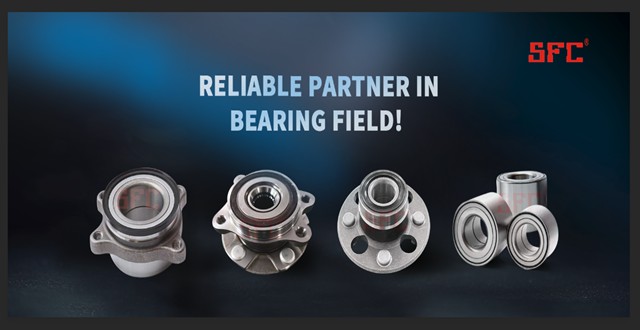
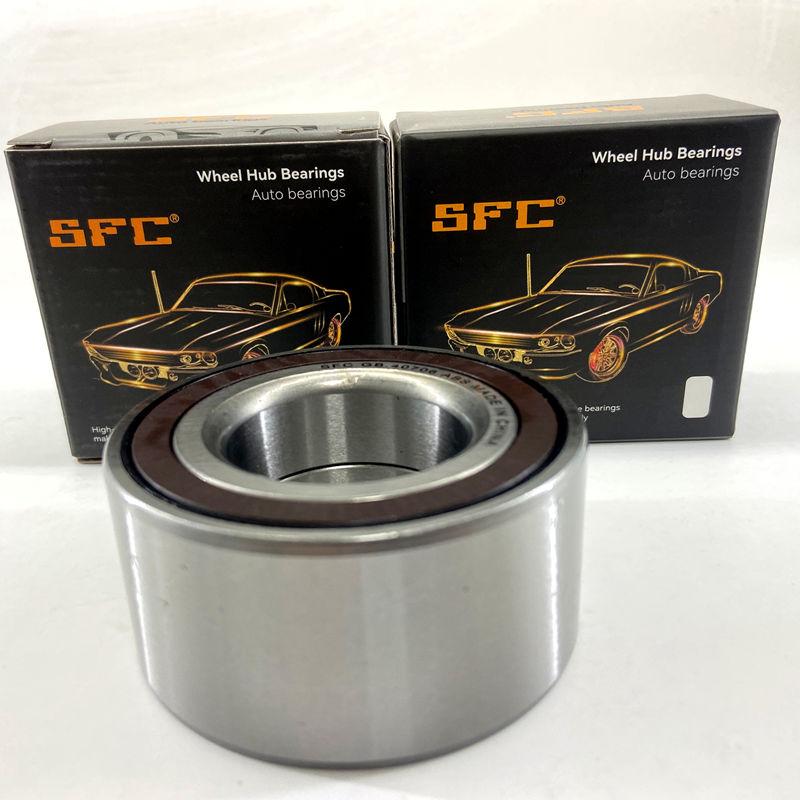
At present, SFC mainly produces wheel hub bearings, wheel hub units, tapered roller bearings, deep groove ball bearings, outer spherical bearings, and other series of supporting industrial bearing products, which are widely used in the fields of automotive parts, industrial machinery, and automation equipment.
Relying on mature production processes, a sound quality management system, and rich experience in foreign trade exports, SFC can not only provide stable and reliable standard products, but also provide OEM customization, brand packaging, and personalized solutions according to customer needs, helping global partners optimize procurement processes and enhance market competitiveness.
Conclusion
In the context of continuous optimization of the global supply chain, procurement models are also undergoing changes. For enterprises pursuing long-term cooperation, stable quality, and supply efficiency, directly cooperating with manufacturing factories has become an increasingly common choice.
In the future, as the global manufacturing industry continues to upgrade, manufacturing enterprises with stable production capacity, strict quality management, and rapid response capabilities will play a more important role in the international market. For buyers, choosing a trustworthy manufacturing partner can not only reduce overall procurement costs, but also establish a long-term, stable, and efficient supply chain system for the enterprise.